
The Trust Deficit in Traditional Baccarat Operations
Baccarat occupies a unique position in casino gaming. It consistently generates more revenue per square foot than any other table game, yet it operates with less visible transparency than games like blackjack or poker. Players place large bets on game outcomes they cannot verify independently. They rely entirely on dealer integrity, table procedures, and casino reputation. This trust-based dynamic creates vulnerability on both sides.
Suspicious players question whether results are manipulated. They wonder if decks are stacked, if draws are predetermined, or if edge sorting goes undetected. Casinos face accusations of unfair practices even when none exist. High-stakes baccarat players bring their own security consultants. They demand procedures that exceed standard casino operating protocols. The trust gap between operators and players imposes real costs on the business.
RFID baccarat tables close this trust gap by providing independent, verifiable evidence of game integrity. Players can confirm that procedures were followed properly. Operators can demonstrate fair play conclusively. The result is a game that satisfies the information demands of even the most skeptical high-stakes players.
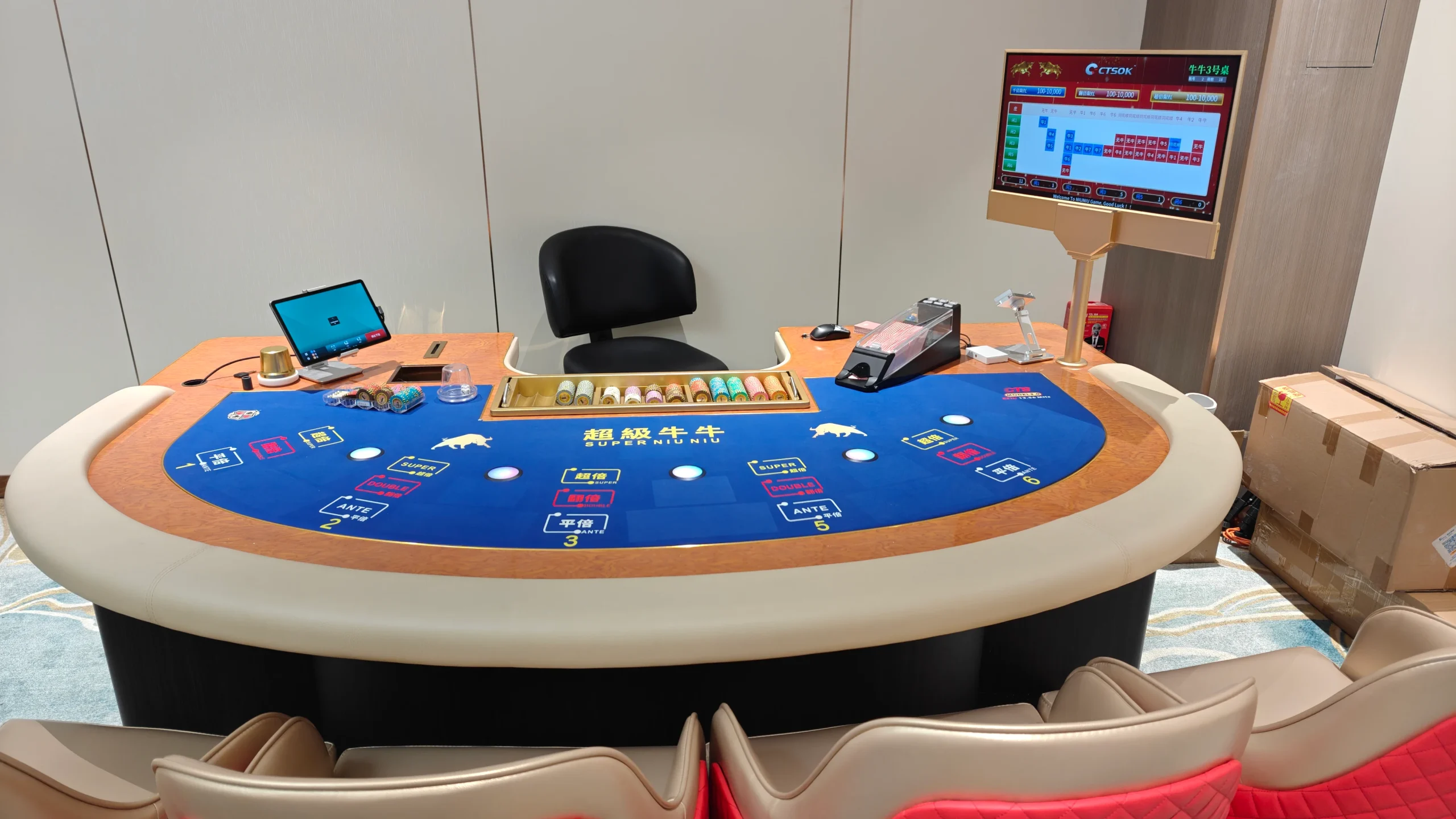
Real-Time Game Data for Player Verification
RFID baccarat tables generate real-time game data that players can access and verify. Every card dealt triggers RFID sensing that records which cards were drawn, in what order, and to which positions. The system compares actual card outcomes against game rules to confirm procedural compliance automatically.
This data provides players with independent confirmation of game integrity. They can request transaction histories showing every hand dealt during their session. They can verify that shoe composition followed regulatory standards. They can confirm that deal sequences matched game rules without deviation.
The transparency extends to chip transactions as well. RFID baccarat tables record every bet placement, every payout, and every commission collected. Players can verify that their wins were paid correctly and that commissions were calculated according to posted house rules. This billing transparency eliminates disputes that arise from manual calculation errors RFID Gaming Chip Reader.
Eliminating Human Error in Baccarat Operations
Baccarat involves complex payout calculations, especially with commission tracking. Traditional manual operations create opportunities for errors that erode player trust. Dealers miscalculate commissions. Floor supervisors misreport results. Accounting discrepancies create conflicts between players and operators.
RFID baccarat tables eliminate these error sources through automated transaction recording. When a player places a bet on Player, Banker, or Tie, the system records the bet amount and position automatically. When the hand concludes, the system calculates payouts according to programmed house rules. When commission tracking is required, the system maintains running totals that reconcile automatically at session end.
Players benefit from consistent, error-free transaction processing. They never need to correct payout calculations manually. They avoid the awkwardness of challenging a dealer’s mathematical accuracy. They leave the table with confidence that their financial transactions are correct, preserving positive impressions that drive repeat visits.
Transparency in Shoe Composition and Card Sequencing
Baccarat’s high house edge makes shoe composition a sensitive trust factor. Players want assurance that dealers are not selectively removing cards or manipulating shoe content. Traditional baccarat tables rely entirely on procedural controls and dealer integrity to ensure shoe fairness.
RFID baccarat tables equipped with automated card reading technology provide electronic verification of shoe composition. The system records every card entering the shoe and each card dealt from it. At any point, players or supervisors can verify the remaining shoe composition against regulatory standards. The system generates alerts if card counts deviate from expectations.
Card sequencing transparency extends beyond shoe composition. Players can trace the exact sequence of cards dealt in previous hands. They can confirm that dealing patterns follow random distribution. They can audit the relationship between card sequences and bet outcomes, verifying that no manipulation influenced results.
Commission Tracking and Reconciliation
Commission tracking is a persistent source of trust problems in baccarat. Players dislike the math. They question whether commissions are calculated correctly. They dispute running totals at session end. Traditional manual tracking leaves room for both unintentional errors and deliberate manipulation.
RFID baccarat tables automate commission tracking with complete transparency. The system calculates commissions automatically for each Banker win, applying the correct percentage for the local jurisdiction. Running totals display on player-facing screens or accessible reports. At session end, the system generates a complete commission summary with full hand-by-hand documentation.
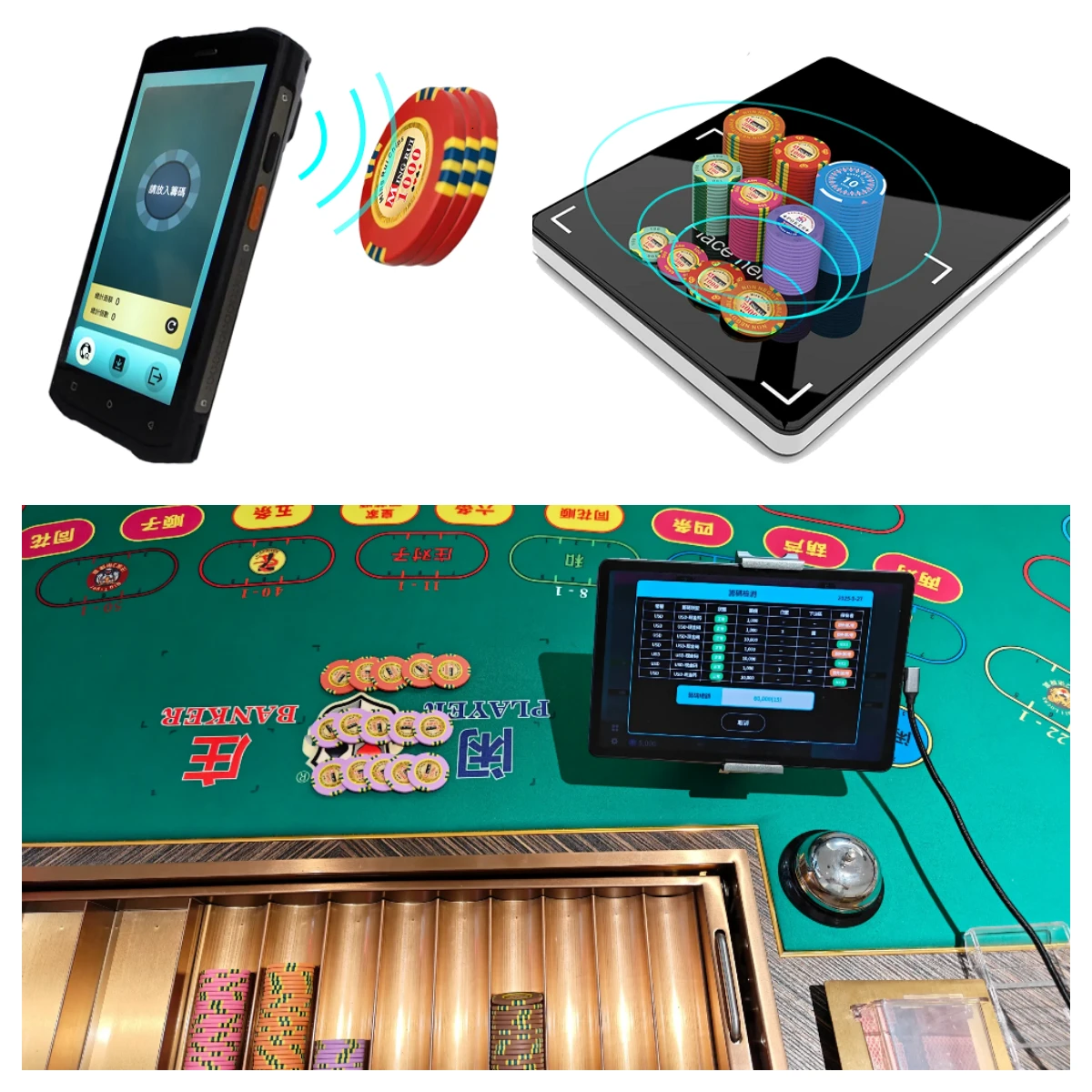
Players who review their commission records find consistent, verifiable calculations. Disputes about commission totals become rare because the system’s records match the player’s own independent tracking. This reduction in disputes saves floor supervisor time and preserves the positive atmosphere of the gaming experience.
Independent Audit Trails for High-Stakes Players
High-stakes baccarat players often demand independent validation of game integrity. Some bring personal security teams. Others request access to surveillance footage. Many maintain their own records of game outcomes. These measures signal underlying trust concerns that RFID technology addresses directly.
RFID systems generate independent audit trails that satisfy the most demanding verification requirements. The records include time-stamped transaction data, card sequence logs, and complete betting histories. Players can export this data for their own analysis. They can compare RFID records against their personal notes, confirming consistency.
Some operators offer high-stakes players direct access to RFID audit records through secure portals. Players review their session history at any time. They verify that payouts match recorded outcomes. They confirm that commission calculations follow posted rules. This transparency builds the trust relationships that sustain long-term high-stakes player relationships.
Building Operator Credibility Through Evidence-Based Operations
Casinos that deploy RFID baccarat tables communicate a clear message about operational integrity. They are investing in transparency. They are willing to have their operations independently verifiable. They are confident that their procedures withstand scrutiny.
This commitment to evidence-based operations builds credibility with players, regulators, and partners. Players choose RFID-equipped tables over traditional tables when given the option. Regulators view RFID deployment favorably in licensing and compliance evaluations. Business partners see RFID adoption as a sign of operational sophistication.
Credibility translates directly into business results. Properties with RFID baccarat tables report higher average session times among high-stakes players. They experience fewer player disputes and complaints. They maintain stronger player retention rates, with players choosing to return to properties where they trust the game integrity.
Regulatory Compliance and Transparency
Gaming regulators increasingly expect casinos to demonstrate game integrity through electronic records rather than manual documentation. RFID baccarat tables generate the detailed, tamper-evident records that regulators demand. Properties that deploy RFID position themselves favorably for regulatory examinations and license renewals.
Regulatory transparency extends to player dispute resolution. When players challenge game outcomes, RFID records provide authoritative evidence that resolves disputes quickly and conclusively. Regulatory investigators access the same RFID records, enabling rapid case processing and reducing investigative burdens on both casinos and regulatory agencies.
Forward-looking regulators are developing standards for RFID game monitoring that will eventually become baseline requirements. Properties with existing RFID infrastructure are better prepared for these evolving regulatory expectations. They avoid the disruption of retrofitting compliance systems that laggards will eventually face Macaumr Casino Equipment.
Player Confidence Metrics and Business Impact
The business impact of enhanced transparency manifests in measurable player confidence metrics. Properties track dispute frequency, average session duration, repeat visit rates, and player complaint volumes as indicators of player confidence. Properties with RFID baccarat tables consistently outperform traditional tables across these metrics.
Dispute frequency decreases by forty to sixty percent within the first six months of deployment. Average session duration increases by fifteen to twenty-five percent among high-stakes baccarat players. Repeat visit rates for RFID-equipped baccarat tables exceed traditional table rates by ten to twenty percentage points.
Complaint volumes about payout accuracy, commission calculations, and game fairness decrease sharply. Floor supervisor time previously spent resolving disputes shifts to player engagement activities. The overall gaming floor atmosphere improves as trust-related tension disappears from baccarat play.
Integrating Transparency into Player Communication
The technology only delivers value if players understand and trust it. Operators must communicate RFID transparency features effectively to maximize business impact. This communication strategy should address player concerns before they arise, building confidence proactively rather than reactively.
Signage at baccarat tables explains RFID verification features. Dealers acknowledge the technology when starting a player’s session. Player-facing screens display real-time transaction confirmations. Post-session summaries demonstrate RFID-based accuracy verification.
Training programs equip casino staff to answer player questions about RFID transparency. Staff understand how the technology works at a high level and can explain its benefits clearly. They know how to access and share RFID records when players request verification. This staff competence reinforces the transparency message that the technology delivers.
Frequently Asked Questions
Can players access their RFID transaction history immediately during gameplay?
Yes, most RFID baccarat systems provide real-time access to transaction records through player-facing displays or through staff-requested reports. Players can verify their transaction history at any point during a session, either by reviewing on-screen displays or requesting a printed or digital report from floor supervisors.
Does RFID card reading in baccarat compromise the confidentiality of future hands?
RFID card reading technology reads identifiers embedded in cards without revealing card values to players. The system tracks card positions for verification purposes but does not display card values prematurely. Game confidentiality is preserved while transparency is enhanced through auditable records.
How does RFID transparency affect the relationship between casinos and third-party security consultants hired by high-stakes players?
RFID transparency actually facilitates the work of third-party security consultants. They can access audit records that independently verify game integrity, reducing the need for intrusive monitoring or procedural demands. Most security consultants view RFID-equipped tables as the gold standard for player protection.
What happens if an RFID baccarat table records a transaction differently than the dealer calculated?
The system generates an alert when a discrepancy occurs between RFID records and dealer calculations. The table usually pauses additional play until the discrepancy is resolved. Floor supervisors investigate using both RFID records and visual surveillance footage to determine the correct outcome.
Are RFID baccarat tables more expensive for operators than traditional tables?
RFID baccarat tables carry higher upfront hardware costs, typically ranging from forty to sixty percent more than comparable traditional tables. However, operational benefits including reduced disputes, lower regulatory compliance costs, and improved player retention offset these initial investments over a two-to-three-year period.